Book of Hooks, by Cornelius Eady

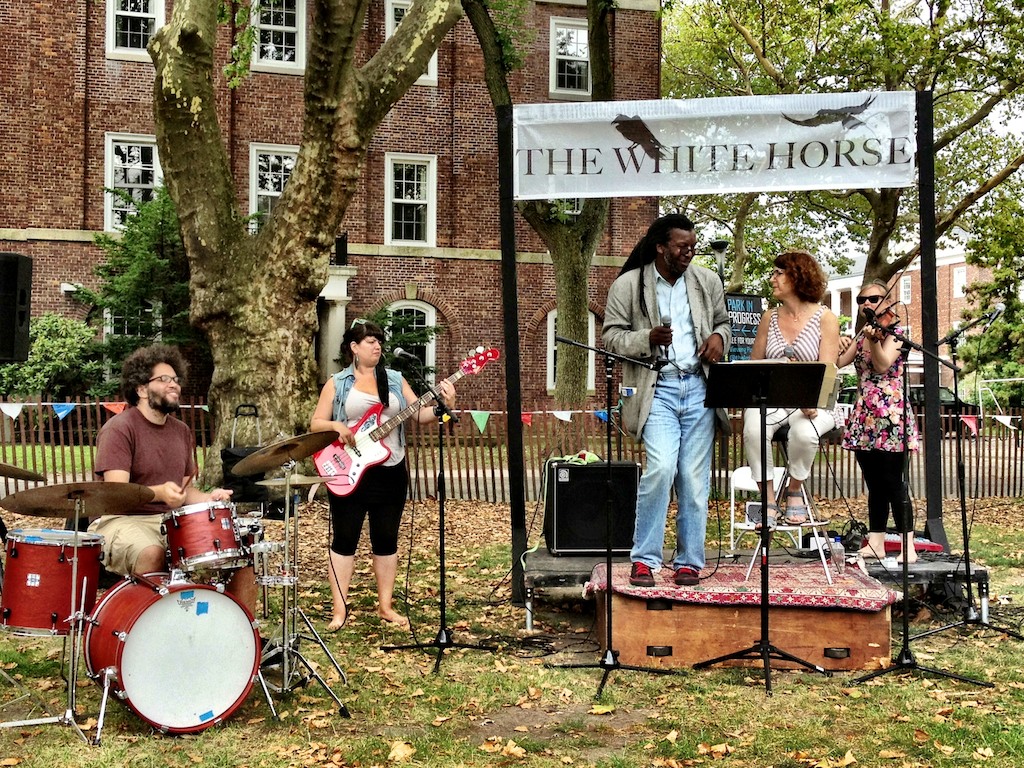
Acclaimed poet Cornelius Eady offers not only a new selection of poems, but a knockout duet of poetry and music, performed with such literary and musical luminaries as Charlie Rauh, Joy Harjo, Kim Addonizio, Robin Messing, Emma Alabaster and longtime collaborator and producer Bernie Heveron.

Like his poetry, Eady’s songs offer a collective snapshot of the culture of our times, at once exhilarating and heartbreaking, seen through a lens that spares no dark corners. Eady’s focus turns as readily from an aging movie star to poet Adrienne Rich, a bed bug epidemic in NYC, and the shooting of Trayvon Martin. As fearless as his subject matter, Eady’s sonic range and stylistic resilience weave together strains of mainline jazz, Afro-Brazilian-Caribbean beats, rock and folk traditions, in a rich love song to life.

$16.00

Roll Over Ezra, Mousetraps at Fukushima Daichi, Defying the law

On Harriet, the Poetry Foundation blog, check out Cornelius Eady on word-drunk music, roots in the blues, and the arc of his band Rough Magic. Five songs from Book of Hooks are up on ReverbNation in joyous, electrifying rehearsal and live performance versions. 

As poetry month waved goodbye we found a flurry of interesting links in our inbox: Blue or Green, by James Galvin. Christian Anton Gerard's defense of poetry on The Rumpus. Ploughshares' column "in the spirit of radical, attentive listening" by Major Jackson. Miniature books have their own library. James Patterson raises the alarm with print ads on the future of the book. 

Fukushima is called the second worst nuclear reactor disaster in history, Chernobyl being the only one worse. Fukushima is a rolling disaster--almost making Chernobyl seem nicer, at least more clear cut. Now Tepco has covered 48 acres with water storage tanks and the power company is poised to cut down an entire small forest nearby, just to clear space for more tanks. Normal mountain snowmelt runoff through Fukushima to the harbor is flowing into the broken reactor buildings, and must be pumped back out at the continuous rate of 75 gallons a minute, or it will flood cooling systems.

The water they pump out is highly radioactive. They planned to run it through a fancy filtration system and dump it into the ocean--the filter removes all radioactive contaminants except Tritium, which lets off very low level radiation, harmful only if ingested. Nuclear reactors release Tritium into the local water supply every day. But Fukushima harbor's water registers 100 times the "acceptable" limit of Tritium contamination already, and the proposed dumping raised a public outcry. The first plan, underground storage tanks, already failed--that's when they moved to the above-ground tanks now covering the area. The story gets either better or worse (depending on your taste for gallows humor)--take the rat who got fried while gnawing power cables, an accidental suicide that caused a blackout, disabling cooling systems of four fuel rod storage pools. Solution: mousetraps throughout the facility, and then, yet another power failure as Tepco workers installing wire nets to keep out the vermin trip the very same cooling system. If they make it into a movie we'd need to cast the Three Stooges.

Every day these days, truth gets weirder than fiction.  

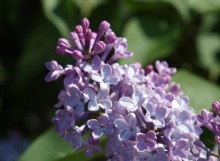
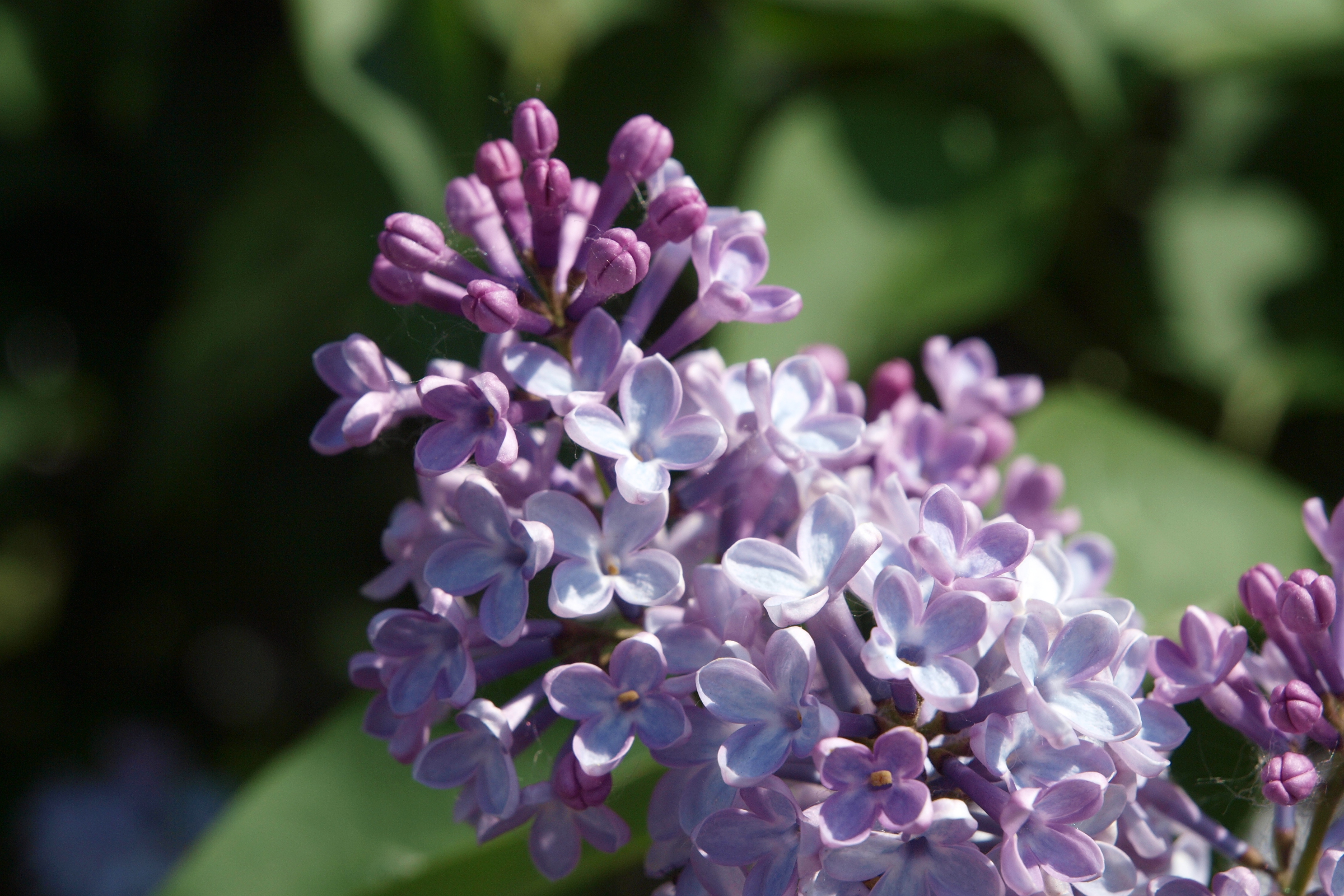
Which brings me to turtles. No seque, I just want to tell you about the turtles. Walking around the lake, wildly mating carp broil the shallows here and there, and sunning turtles stretch out on downed tree limbs that reach into the lake like piers. Visiting turtle town always makes me happy. You have to be quiet or they slip off their perches and plop into the water. A bunch of the bigger turtles didn't budge the other day when we snuck past. The forsythia are going to leaf, the lilacs have finally burst, there are redwing blackbirds swooping from tree to tree and swallows zigging above the dam.

Back home, I let a bee off the screen porch just as one of the wompus cats was about to grab it. Sometimes a good deed ripples out nicely, defying the law of unintended consequences. Any day you get a reprieve is a good day. Everything feels a little brighter, a little sweeter. 

There were so many readings and festivals this past weekend you'd think it was still Poetry Month. May your ears be filled with poems, with music, with the stuff that feeds your spirit.

with love,
sammy


Animal Soul, by Mary Carroll-Hackett

In her new collection, Animal Soul, Mary Carroll-Hackett does not just give us "the colon before the list of truest things." She begins that list for us, with poems like "Galileo's Fingers," "Six Rules For Devils," and "This Bread, Those Beans."

Tongue

What does the poet know beyond the taste of wheat, glutinous, sticky and unyielding? Pickpocket feline paw clawing the limited poet beyond the Latinate pull of yeast and flour, beyond the grind of corn, the dry sift of what could list upon the tongue, tip, hump and root, that mouth vegetable, that yowling cat, for whom the illusion of language beckons, stretching like the building roof, convincing--tongue, poet and cat alike--that something real can be said, that that arched roof moves us somewhere, somehow closer to god.

$12.00

Blink Finch, by Mary Stone Dockery

A girl eats a snail, says it is her tongue and all the light bulbs explode, leaking the scent of green. The girl is in love, she says, and licks the glass from the floor. When she smiles, we see she has no tongue. Her tongue, teeth glitter with knives.

Imagine a chapbook of poetry like this. There you have Mary Stone Dockery's crystalline and enigmatic, Blink Finch.

$12.00

Tell Me When it Starts to Hurt, by Kelly Fordon

Just when you think you've got your bearings, Kelly Fordon's poems tilt the floor.

Across the street, a woman/ sits on the patio with her back/ to the sun. All you can see is the/ round white globe of her skull./ She is having some trouble with/ her insides. If you could speak/ you would ask her about the/ people she swallowed.      -- excerpt, "The Great Divide"

In Fordon's world there is no black and white, only shades of gray across the emotional and moral landscape, as in the prose poem where she addresses "The Monster in the Mirror:" 

Well, you are a very small monster. I have to give you that. It's a big world and I wish I had a little rhinestone suitcase. Then I could carry you around like a miniature poodle.                                    --excerpt, "The Monster in the Mirror"


$12.00

Whiskey & water, Police at the door, Pam Uschuk, Digital resale, Redemption by landscape

Whisky is for drinking, water is for fighting.

In Montana there's a dispute over water rights on a reservation now populated by three whites for every Indian. Do you ever start out to talk about something only to realize you must first backtrack to wrestle a foundational semantic knot, and as you tug the knot only tightens? 

A tribal leader refers to the reservation as "our homeland."

Reservations were concentration camps to which Indians were forcibly removed (many perishing along the way), and with the original intent that Indians would die there, in isolation and exile. Water rights are the wealth of the future. What high irony indeed, if Indian tribes wound up controlling agricultural water access in this country.  

A policeman knocked on our door. It was late Saturday evening. A house on the block that's been vacant for a long time had been broken into and stripped that day, in broad daylight. I was relieved to hear that a witness described four white guys, who smashed in a glass on the back door and proceeded to load into their red truck appliances, copper piping, radiators. I had the same reaction to the marathon bombing: Please let the suspect be white. What gets unleashed in this country when crime suspects are identified as people of color is so ugly. In Boston this Sunday a priest called explicitly for people to avoid conflating all Muslims with bombers. You'd think we wouldn't need that admonition, we'd be more discerning, but you'd be wrong. A friend of mine apologized for feeling pity for the surviving suspect. I saw the stories from his high school and college buddies. I feel sorry for him too, and it doesn't take anything away from my grief for his victims. It's so much easier to imagine evil acts are committed only by some sort of monster but sometimes the monster looks disturbingly like us. 

Split This Rock sent out a poem by Pam Uschuk this week, and I was moved by her voice at a moment when many of us are mute with some amalgam of grief and perplexity. 

I've been reading one of Henning Mankell's novels aloud of late, so I was surprised to find an Op-Ed in the Sunday Times about racism in Sweden, one of Mankells repeating themes. Using genre fiction to carry deep moral and cultural excavations is a nifty trick, and of course there is that ineffably crisp writing of Mankell's. 

Resale of digital books has now been forbidden by courts in at least two countries including the US. The resale of digital copies of music remains a bit murkier. The marketplace continues to wrestle with new forms as the arts increasingly are purveyed digitally, disseminated over the internet. It reminds me how recordings had no-copy technology embedded, on tapes and CDs. Part of us wants to share art freely and part of us understands that this translates to poverty for the very people creating the art. 

Dominique Browning's interview with Sebastiao Salgado in this weekend's Times includes a beautiful photo essay. At the close of the interview Salgado speaks to some kind of redemptive power in art, saying that his work is not about landscape, but about love: "With this project, I fell in love with my planet."

 
with love,
sammy


Boston, Going postal, Neruda's remains, Victor Jara, Your patented DNA

Cleveland rapid transit and one downtown section of highway are closed down today due to discovery of a suspicious item in a Rapid station. Our hearts are with friends and colleagues in beloved sister city Boston, which we so recently enjoyed along with over 11 thousand other AWP attendees. 26 thousand runners started the race yesterday in the city where the modern marathon was born. We are grateful to all the first responders and ordinary citizens who acted not out of fear, but the instinctive desire to be of help.

On tax day I couldn't get the song If I Were a Rich Man out of my head. Despite the long line of last minute filers, we got a dozen packages out yesterday, and I gave thanks yet again for our postal service. Small businesses like the wompus would be skunked without them. Shipping our books by private delivery service would triple our costs, or more. (This is also what stops me thinking about moving to Hawaii, one of the most magical places I have ever visited).

What do you think about the exhumation of Pablo Neruda's remains? The court decision permitting this reanalysis (an attempt to prove Neruda died not of cancer but by poisoning) has triggered fierce debate. In the NY Times, Ilan Stavans complains that this exercise is unlikely to yield any useful new information and that in any case, the poet's work iself should be the focus of historical investigation. He cites all the many details we already know about the crimes of the Pinochet regime, such as the torture and murder of folksinger and activist Victor Jara at the hands of Chilean security forces not long after the violent coup which overthrew Allende and installed the military dictatorship in Chile.

If others had not escaped the mass imprisonment that led to Jara's death we would not now have that story--and what a sobering story it is, of a man known round the world for his songs, whose fingers were delberately and viciously broken after he was rounded up, who was taunted then to keep playing his guitar in that condition and who continued instead to sing the new song he was writing about the very brutality to which he was being subjected in that stadium where he was soon to be taken apart from his fellow captives and shot. What more articulate affirmation of the power of art.

A few years ago I had some genetic testing done in order to help target my treatment for a serious illness. At that time there was exactly one laboratory anywhere in the world which could test for the particular genes in question. The cost was mind-blowing but it turned out I only required the first phase of the tests and most of it was covered by our insurance. Now the supreme court is hearing a case about Myriad Genetics' right to patent a particular gene sequence of the human genome, which I find even more mind-blowing than the expense of testing for it in a monopoly context. The complaint is not new: Why, they ask, would a corporation invest in expensive research if it can't profit from the results, which it can only do with patents (otherwise their result can be replicated by companies electing to price access far lower).

A republic, if we can keep it. That phrase keeps running through my mind. It's so critical for us to embrace the humanistic and altruistic exemplars before us. The example of a city and a hospital system responding so effectively to a mass casualty event. Government, community institutions, belong to us, as we belong to each other. And substituting understandably profit-motivated corporate directives for community interest, public interest, is a sure recipe for erosion of the republic. Goverment only works for us if we make it. Nobody is talking about the gutting of tax-funded medical and scientific research over the past three decades, but Myriad Gen's attempt to patent our genes is a direct outgrowth of our having ceded that research to corporations. 

Today I keep seeing our deep need for story. Though there is little real news, I turn on the radio, the TV, pull up news on the net, needing to hear the stories from Boston, to stay attuned in the wake of this event. Story, this ancient way that we humans make meaning of our world, is the reason art, and specifically literature exist, no less essential to us than medical care for the injured and ill.

 
with love,
sammy


Stone Cold Jane at the Roller Derby, The Writer's Audience, Hostility to Intellect

We love bookdress. The sheer creativity, the humor, the meta of it just makes us smile.

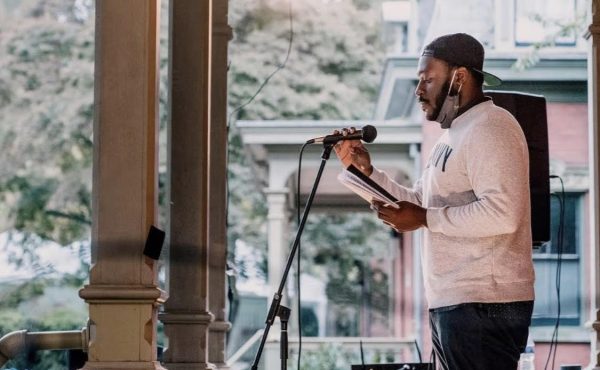
Speaking of generous writing, Cornelius Eady is performing cuts from Book of Hooks and a bunch of other music and poetry all around the country. From Iowa, an interview on public radio. And on The Rumpus (one of our favorite literary hubs), a great selection from Hooks"Stone Cold Jane." You can read the lyrics and liner notes, play the song, and marvel at a photo of the Lit Prof/Roller Derbyist who chose Jane Austen for her roller derby handle. (Who could resist writing her a theme song?) Cornelius and his band, Rough Magic, will perform in Brooklyn, NY at the Poetry Salon April 24th at Greenlight Books, along with Stevie Edwards and Safia Elhillo, or you can catch Cornelius the day before, April 23 in Rochester, NY, at Writers & Books community literary center.

Never mind the robin we found in the street the other day. What I want to say is this: A lot of good writing comes across my desk, and in rare instances the reading and response leads to further conversations. I am at the moment immersed in two such illuminated exchanges and I am grateful for the way they make me think and feel more deeply, with more discernment, about art and about being human. 

One of the subjects which has come up differently in each correspondence is the problem of overly smart writing. By this all I really mean is the writer employing language or techniques that go over a given reader's head. There are several ways one might respond when encountering such writing. You could say, Ugh, so pretentious, can't you use smaller words? You could say Not my cuppa tea but more power to ya. Or if like me you've had these particular criticisms leveled at your own work on occasion, you might say Wow, whilst enthusiastically grabbing a dictionary. You might revel in the luminous intellect on the page as a holy thing, as holy as honest emotion. You might not have come to art in order to be massaged, but more, to be woken up. No, I'm not advocating for snobbery in print. I'm saying that those artists who lead with intellect can be thrilling to read, and can lift our view to places we haven't imagined. It has nothing to do with being academic (which I am decidedly not). But America is not a country known for its love of intellect. Maybe that's enough reason to question the hostility in some literary circles, against writing which requires active intellectual work on the part of the reader, and not just emotional, absorptive response. 

Which leads naturally into a discussion of audience. What is your goal as a writer? Do you agree with those who say anybody should be able to freely walk off the street and into your poem, your story? Should it be exactly that accessible, that easily opened? Or do you want the reader to work a little, to invest in peeling open the poem? (It's not of course all that black and white--hardly anything ever is.) Are you a Big Tent reader like me, happy to move between these positions ad lib and appreciate each for its virtues, its pleasures?

That robin probably survived. I'll save you the painful details, but we think it was the same one who landed on the fence a couple hours later, and stayed very near us. These birds are ground feeders and they don't seem too quick on the uptake when cars approach, so watch the pavement when you're behind the wheel. I hope spring has found you, here at the taxing heart of April. It's coming in fits at the wompus, but finally the forsythia have burst and the daffys are in fine form, the lilac buds are surrounded by little pea green leaves, and after several days in the forties we are actually working today on the screen porch, in the sunshine, birdsong and diesel motors filling the air. Here on the north coast, warm weather means power tools at work in the neighborhood and orange barrels sprouting on the asphalt...

For a little Po Month fun, check out McSweeney's Daily Haikus from Dan Chelotti

And speaking of Poetry Month, there are a half dozen more readings upon us which I will likely miss, as I have missed most of the offerings this year. Nothing personal, I've just come to accept my own energy rhythms, and I'm too immersed in writing just now and too busy with the press, to pry myself out into the world very much. Are you one of those people who get energized by readings? Who go home and take up a pen--or can't even wait that long and start scratching out something sparked by the reading while it's still flowing around you? Or do such events leave you mulling and churning for hours afterwards, processing all the sensory input, the poems, the people, the conversation? If I had ten hours' more energy each week, I still wouldn't go out much these days, I'd walk more, get into the woods more, sit with my back against a tree more. Meditate more. Cook more. And then when I finished all those things I'd be raring to go to two or three readings...  

Lifting a Poetry Month glass in absentia, 
with love,
sammy

Boy Meets Girl, by Eirik Gumeny

These flash fictions by Eirik Gumeny are miniature excavations of us, our times, our foibles and dreams. 

 
She slices open her belly and spills herself out over the kitchen table, fingers falling loose around the supper-caked knife. Her knees buckle. She places her hand upon a chair for support, listens to the patter of blood diving for the linoleum. Slowly, she pulls herself up and grips the knife again. A short breath and she begins. Poking and prodding at the viscera with the cold detachment of science, searching and scouring through the bits of herself, looking for a collapsed star, the black hole that forms every time she doubts, worries, thinks, about yesterday, tomorrow, now.

Rachel has had the dream nearly a dozen times now, twice even before she found out she was pregnant. In the four weeks since it’s become unbearable. What used to be slightly unsettling now brought her to tears at three in the morning.

 
~ excerpt from Inside Out
$12.00

Mercury Retrograde: Fried Electronics, Transportation Mishaps, Snarled Communications, by Ed. Sammy Greenspan

The first chapbook anthology from Kattywompus, edited by Sammy Greenspan: poetry, prose poems, essays, mini-fictions by 17 authors known and unknown. 

 
Daily Specials
 
Monday:  Pureed Rage “Uncontrollable!” “Irrational!”
Tuesday:  Memory simmered in uselessness and persistence,
sprinkled with tug, and served with a garnish of elusion
Wednesday:  Sex. (Every Wednesday, like clockwork.)
Thursday:  gypsies in Paris, bitter blackberries, deconstructed walls
Friday: Writer’s Choice
Saturday:  the curving pull of earth
Sunday:  Heresy, dished up cold
 
by Emily Shearer
$12.00
Syndicate content